Bank of India ಬಗ್ಗೆ ಕನ್ನಡ ಲೇಖನ
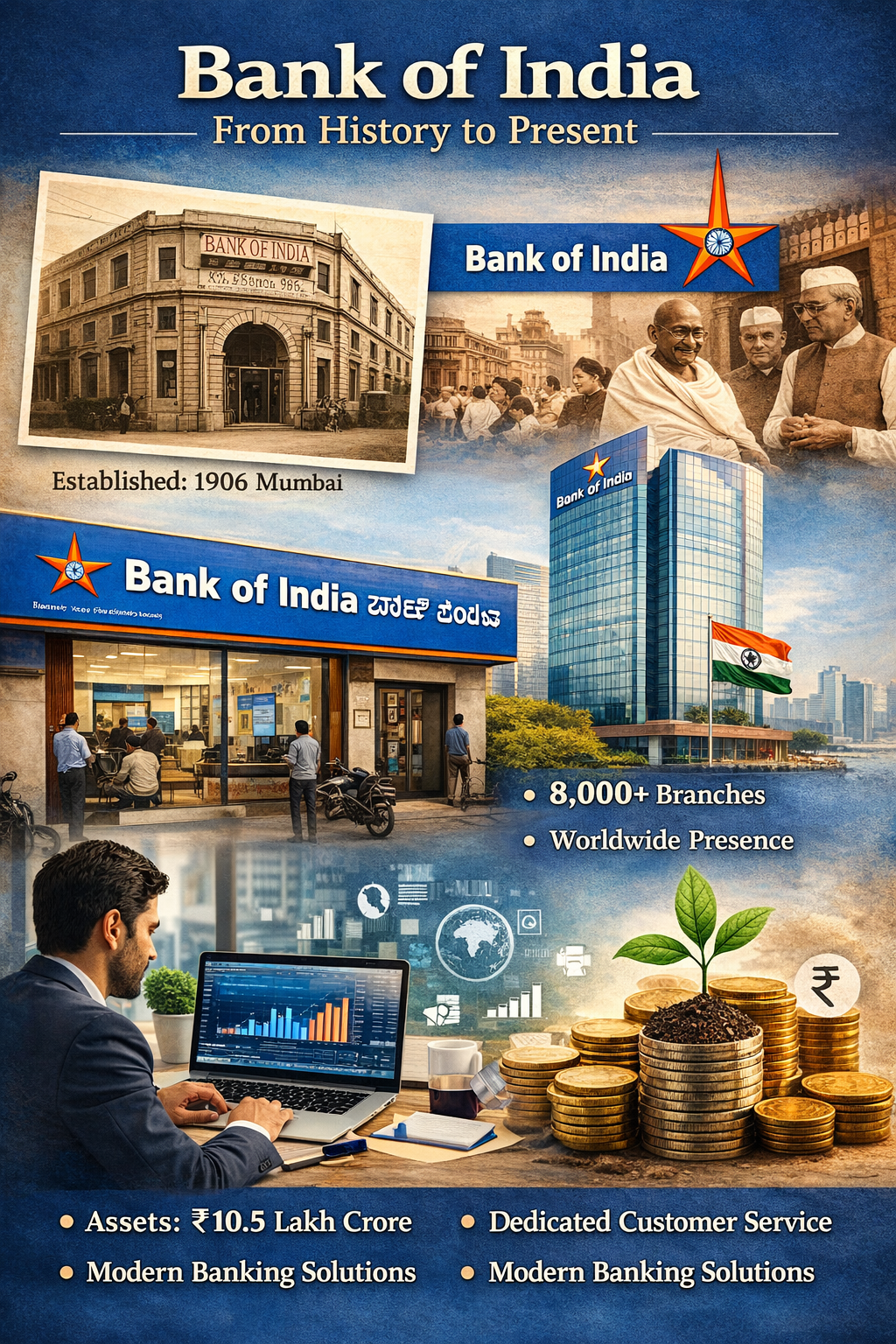
ಬ್ಯಾಂಕ್ ಆಫ್ ಇಂಡಿಯಾ (Bank of India) ಭಾರತದ ಪ್ರಮುಖ ಸಾರ್ವಜನಿಕ ವಲಯದ ಬ್ಯಾಂಕ್ಗಳಲ್ಲಿ ಒಂದಾಗಿದೆ. 1906ರಲ್ಲಿ ಮುಂಬೈನಲ್ಲಿ ಆರಂಭವಾದ ಈ ಬ್ಯಾಂಕ್, ಭಾರತೀಯ ಬ್ಯಾಂಕಿಂಗ್ ಇತಿಹಾಸದಲ್ಲಿ ದೀರ್ಘ ಮತ್ತು ಮಹತ್ವದ ಪಾತ್ರವಹಿಸಿದೆ. ಆರಂಭದಲ್ಲಿ ಇದು ಭಾರತೀಯ ಉದ್ಯಮಿಗಳು ಹಾಗೂ ವ್ಯಾಪಾರಿಗಳಿಗೆ ಸೇವೆ ನೀಡುವ ಉದ್ದೇಶದಿಂದ ಸ್ಥಾಪನೆಯಾಯಿತು. ನಂತರ 1969ರ ರಾಷ್ಟ್ರೀಕರಣದ ಬಳಿಕ ಇದು ಸಾರ್ವಜನಿಕ ವಲಯದ ಬ್ಯಾಂಕ್ ಆಗಿ ಭಾರತದೆಲ್ಲೆಡೆ ತನ್ನ ಕಾರ್ಯಕ್ಷೇತ್ರವನ್ನು ವಿಸ್ತರಿಸಿತು.
ಬ್ಯಾಂಕ್ ಆಫ್ ಇಂಡಿಯಾದ ಇತಿಹಾಸವನ್ನು ನೋಡಿದರೆ, ಅದು ಕೇವಲ ಹಣಕಾಸು ಸಂಸ್ಥೆಯಾಗಿ ಮಾತ್ರವಲ್ಲದೆ, ದೇಶದ ಆರ್ಥಿಕ ಬೆಳವಣಿಗೆಯೊಂದಿಗೂ ಜೊತೆಯಾಗಿರುವ ಸಂಸ್ಥೆಯಾಗಿದೆ. ಸ್ವಾತಂತ್ರ್ಯಕ್ಕೂ ಮುನ್ನ ಬ್ಯಾಂಕಿಂಗ್ ಸೌಲಭ್ಯಗಳು ಕೆಲವು ನಗರಗಳಿಗೆ ಮಾತ್ರ ಸೀಮಿತವಾಗಿದ್ದ ಸಮಯದಲ್ಲಿ, ಈ ಬ್ಯಾಂಕ್ ವಿವಿಧ ಪ್ರದೇಶಗಳಿಗೆ ತಲುಪುವ ಪ್ರಯತ್ನ ಮಾಡಿತು. ಇದರಿಂದ ಸಾಮಾನ್ಯ ಜನರಿಗೆ ಉಳಿತಾಯ, ಸಾಲ, ಹಣ ವರ್ಗಾವಣೆ ಮತ್ತು ಮೂಲಭೂತ ಬ್ಯಾಂಕಿಂಗ್ ಸೇವೆಗಳು ದೊರೆಯಲು ಆರಂಭವಾಯಿತು.
ಇಂದಿನ ದಿನಗಳಲ್ಲಿ ಬ್ಯಾಂಕ್ ಆಫ್ ಇಂಡಿಯಾ ತನ್ನ ಸೇವೆಗಳನ್ನು ಡಿಜಿಟಲ್ ರೂಪಕ್ಕೆ ಹೊಂದಿಸಿಕೊಂಡಿದೆ. ಮೊಬೈಲ್ ಬ್ಯಾಂಕಿಂಗ್, ಇಂಟರ್ನೆಟ್ ಬ್ಯಾಂಕಿಂಗ್, UPI, ಡೆಬಿಟ್ ಮತ್ತು ಕ್ರೆಡಿಟ್ ಕಾರ್ಡ್ ಸೇವೆಗಳು, ಆನ್ಲೈನ್ ಖಾತೆ ನಿರ್ವಹಣೆ ಮತ್ತು ಸಾಲ ಅರ್ಜಿ ಪ್ರಕ್ರಿಯೆಗಳು ಗ್ರಾಹಕರಿಗೆ ಹೆಚ್ಚಿನ ಅನುಕೂಲ ನೀಡುತ್ತಿವೆ. ಶಾಖೆಗೆ ಹೋಗದೆ ಅನೇಕ ವ್ಯವಹಾರಗಳನ್ನು ಮಾಡಲು ಸಾಧ್ಯವಾಗಿರುವುದು ಬ್ಯಾಂಕಿಂಗ್ ಅನ್ನು ಹೆಚ್ಚು ವೇಗವಾಗಿ ಮತ್ತು ಸುಲಭವಾಗಿ ಮಾಡಿದೆ.
ಈ ಬ್ಯಾಂಕ್ನ ಮತ್ತೊಂದು ಪ್ರಮುಖ ಬಲ ಅಂದ್ರೆ ಅದರ ವ್ಯಾಪಕ ಶಾಖಾ ಜಾಲ. ನಗರ, ಪಟ್ಟಣ ಮತ್ತು ಗ್ರಾಮೀಣ ಭಾಗಗಳಲ್ಲಿ ಇದರ ಉಪಸ್ಥಿತಿ ಇರುವುದರಿಂದ, ವಿಭಿನ್ನ ಹಿನ್ನೆಲೆಯ ಗ್ರಾಹಕರು ಸೇವೆ ಪಡೆಯುತ್ತಿದ್ದಾರೆ. ಕೃಷಿ ಸಾಲ, ಶಿಕ್ಷಣ ಸಾಲ, ಗೃಹ ಸಾಲ, ಸಣ್ಣ ಉದ್ಯಮ ಸಾಲ ಮತ್ತು ವೈಯಕ್ತಿಕ ಬ್ಯಾಂಕಿಂಗ್ ಸೌಲಭ್ಯಗಳು ಇದರ ಪ್ರಮುಖ ಸೇವೆಗಳಾಗಿವೆ. ಇದರಿಂದ ಆರ್ಥಿಕ ಒಳಗೊಳ್ಳುವಿಕೆ ಹೆಚ್ಚಲು ಸಹಾಯವಾಗಿದೆ.
ವರ್ತಮಾನದಲ್ಲಿ ಬ್ಯಾಂಕ್ ಆಫ್ ಇಂಡಿಯಾ ತನ್ನ ಸ್ಪರ್ಧಾತ್ಮಕ ಸ್ಥಾನವನ್ನು ಉಳಿಸಿಕೊಳ್ಳಲು ತಂತ್ರಜ್ಞಾನ ಮತ್ತು ಗ್ರಾಹಕ ಅನುಭವದ ಮೇಲೆ ಹೆಚ್ಚು ಗಮನ ಹರಿಸುತ್ತಿದೆ. ಖಾಸಗಿ ಬ್ಯಾಂಕ್ಗಳು ಮತ್ತು ಫಿನ್ಟೆಕ್ ಸಂಸ್ಥೆಗಳ ನಡುವಿನ ಸ್ಪರ್ಧೆಯ ನಡುವೆ, ಸಾರ್ವಜನಿಕ ವಲಯದ ಬ್ಯಾಂಕ್ಗಳಿಗೆ ವಿಶ್ವಾಸ, ಸುರಕ್ಷತೆ ಮತ್ತು ವ್ಯಾಪ್ತಿ ಮುಖ್ಯ ಬಲಗಳಾಗಿವೆ. ಬ್ಯಾಂಕ್ ಆಫ್ ಇಂಡಿಯಾ ತನ್ನ ಸೇವಾ ಗುಣಮಟ್ಟವನ್ನು ಸುಧಾರಿಸುವ ಮೂಲಕ ಈ ಬಲವನ್ನು ಇನ್ನಷ್ಟು ದೃಢಪಡಿಸುತ್ತಿದೆ.
ಆದರೆ ಯಾವುದೇ ದೊಡ್ಡ ಬ್ಯಾಂಕ್ನಂತೆ ಇದಕ್ಕೂ ಸವಾಲುಗಳಿವೆ. ಕೆಟ್ಟ ಸಾಲಗಳು, ಬಡ್ಡಿದರ ಬದಲಾವಣೆಗಳು, ನಿಯಮಾತ್ಮಕ ಒತ್ತಡ ಮತ್ತು ಮಾರುಕಟ್ಟೆ ಸ್ಪರ್ಧೆ ಇವುಗಳನ್ನು ನಿರ್ವಹಿಸುವುದು ಅಗತ್ಯ. ಇವುಗಳ ನಡುವೆಯೂ ಬ್ಯಾಂಕ್ ಆಫ್ ಇಂಡಿಯಾ ತನ್ನ ಕಾರ್ಯಾಚರಣೆಯನ್ನು ಆಧುನಿಕಗೊಳಿಸಿ, ದಕ್ಷತೆಯನ್ನು ಹೆಚ್ಚಿಸಿ, ಗ್ರಾಹಕರಿಗೆ ಉತ್ತಮ ಸೇವೆ ನೀಡುವತ್ತ ಮುಂದಾಗಿದೆ.
ಒಟ್ಟಾರೆ ನೋಡಿದರೆ, ಬ್ಯಾಂಕ್ ಆಫ್ ಇಂಡಿಯಾ ಭಾರತದ ಬ್ಯಾಂಕಿಂಗ್ ಕ್ಷೇತ್ರದಲ್ಲಿ ವಿಶ್ವಾಸಾರ್ಹ ಹಾಗೂ ಐತಿಹಾಸಿಕ ಮಹತ್ವ ಹೊಂದಿರುವ ಸಂಸ್ಥೆಯಾಗಿದೆ. ಅದರ ಇತಿಹಾಸ, ಇಂದಿನ ಸೇವೆಗಳು ಮತ್ತು ಮುಂದಿನ ಡಿಜಿಟಲ್ ಬೆಳವಣಿಗೆಗಳು ಇದನ್ನು ಇನ್ನಷ್ಟು ಪ್ರಮುಖವಾಗಿಸುತ್ತವೆ. ಬ್ಯಾಂಕಿಂಗ್ ಕ್ಷೇತ್ರವನ್ನು ಅರಿಯಲು ಬ್ಯಾಂಕ್ ಆಫ್ ಇಂಡಿಯಾ ಒಂದು ಉತ್ತಮ ಉದಾಹರಣೆ.
English Article on Bank of India
Bank of India is one of India’s major public sector banks and has played an important role in the growth of the country’s banking system. It was established in 1906 in Mumbai, at a time when Indian businesses and traders needed a trusted banking institution with local roots. Over the years, the bank has evolved from a private bank into a key public sector institution after the nationalization of banks in 1969.
From a historical point of view, Bank of India represents the development of modern banking in India. In the early years, banking was mostly limited to major cities, but the bank helped expand financial services to more people and more regions. Its role in savings, lending, remittances, and basic banking services helped ordinary customers access the formal financial system.
Today, Bank of India offers a wide range of digital and branch-based services. Customers can use mobile banking, internet banking, UPI payments, debit and credit cards, online account services, and loan applications. These digital tools have made banking more convenient, faster, and more accessible for everyday users, professionals, and business owners.
One of the bank’s strongest assets is its wide branch network. With a presence in urban, semi-urban, and rural areas, the bank continues to serve a diverse customer base. It provides services such as agriculture loans, education loans, home loans, small business finance, savings accounts, and personal banking products. This wide reach supports financial inclusion and helps people from different backgrounds participate in the banking system.
In the present market, Bank of India continues to focus on stability, technology, and customer service. Public sector banks face strong competition from private banks and fintech companies, so service quality and digital convenience are more important than ever. Bank of India is responding by modernizing operations and improving customer experience while maintaining the trust associated with a government-owned bank.
Like every large financial institution, it also faces challenges such as non-performing assets, interest rate changes, regulatory requirements, and market pressure. Even so, the bank continues to move forward through operational improvements, digital adoption, and better service delivery. These steps are important for long-term sustainability and customer confidence.
In conclusion, Bank of India remains an important part of India’s financial system. Its history reflects the journey of Indian banking, its present shows the importance of digital transformation, and its future depends on continued efficiency, trust, and innovation. For anyone studying Indian banking, Bank of India is a meaningful example of a public sector bank with lasting relevance.
Disclaimer: This article is for informational purposes only and does not provide financial advice.